For most coastal homes in Nowra, uPVC windows outperform standard aluminium windows on insulation, condensation and salt-air maintenance, while aluminium still wins on ultra-slim frames and very large openings. At RJV Industries, we supply and install uPVC double glazed windows from our base in Nowra across the Shoalhaven, Illawarra and South Coast, and this guide sets out the uPVC vs aluminium windows decision as fairly as we can so you can choose what suits your home.
Key Takeaways
- Double glazed uPVC windows generally insulate better than standard aluminium and are less prone to condensation on the frame.
- uPVC won't rust or corrode in salt air. Aluminium relies on its powder coat and regular rinsing to stay in good condition near the ocean.
- Aluminium remains a strong choice for slim sightlines, very wide spans and homes where you want to match existing aluminium windows.
- Our uPVC frames are designed and manufactured in the USA and WERS rated, and we offer supply-only or supply and install.
- For a like-for-like comparison, call RJV Industries on 0457 431 660 for a free, no-obligation measure and quote.
How This Guide Helps You Choose Between uPVC and Aluminium
This guide compares uPVC and aluminium window frames the way they actually perform in coastal NSW homes, from Culburra Beach and Kiama up to the northern Illawarra. Instead of focusing only on looks or upfront price, we compare thermal performance, condensation, noise, corrosion and maintenance.
We assume double glazing throughout, because most homeowners comparing frame materials today are also upgrading the glass. Timber comes up for context, but the main comparison is uPVC vs aluminium windows.
RJV Industries specialises in uPVC double glazed windows, so we're upfront about where we sit. We've still written this to help you make a sound decision whichever way you go.
What Are uPVC and Aluminium Windows? (And How They Differ)
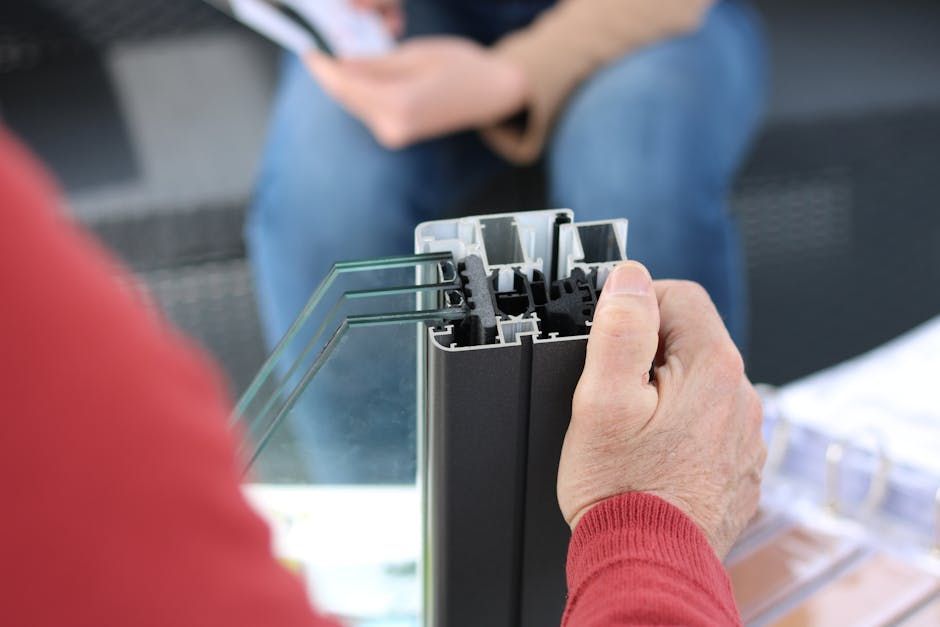
uPVC windows use frames made from unplasticised polyvinyl chloride, a rigid material that insulates naturally, while aluminium windows use extruded metal frames that are usually powder coated. The difference in how each material handles heat is the root of most other differences between them.
- uPVC frames are multi-chambered, often internally reinforced and UV-stabilised. They don't rust, rot or need repainting, and they're a poor conductor of heat.
- Aluminium frames are strong, light and stable, and powder coating gives a durable, low-maintenance finish. Because aluminium conducts heat readily, it needs a thermal break to come close to uPVC's insulation.
- Thermally broken aluminium separates the inner and outer frame with an insulating barrier. It performs much better than standard aluminium but is a more premium product.
Our uPVC frames are designed and manufactured in the USA, WERS rated, and supplied by a locally owned Nowra business.
Energy Efficiency and Double Glazing in Coastal Climates
uPVC double glazed windows generally deliver better whole-window insulation than standard aluminium, because the frame doesn't act as a bridge for heat and cold. Windows are one of the main paths for heat loss and gain in a home, so the frame matters as much as the glass.
- Double glazing slows heat transfer with two panes and a sealed gap, which helps keep homes warmer in winter and cooler in summer.
- uPVC frames insulate along their whole profile, so the frame keeps pace with the glass.
- Standard aluminium conducts heat and cold through the frame, which can undermine good double glazing.
- Thermally broken aluminium narrows the gap but still depends on careful glass selection.
Our windows are WERS rated, which means their energy performance is rated under the Window Energy Rating Scheme, so you can compare products on a like-for-like basis. For the glass side of the equation, see how double glazed windows are more energy efficient.
Condensation, Mould and Coastal Comfort
Aluminium frames are more prone to condensation than uPVC because the metal gets cold on winter nights and moisture in the indoor air settles on it. Along the Shoalhaven and Illawarra coast, where humid sea air meets cool nights, that shows up most in south-facing bedrooms and bathrooms.
- Repeated condensation encourages mould, stains paint and plasterboard, and makes rooms feel damp.
- uPVC double glazed windows keep the inside of the frame warmer and seal tightly, which noticeably reduces condensation on and around the window.
- The difference is usually most obvious in bathrooms, bedrooms and rooms exposed to cool winter sea breezes.
If condensation is your main complaint, upgrading the worst-affected rooms first is often the most cost-effective starting point.
Coastal Durability, Salt Air and Maintenance
uPVC frames don't rust or corrode in salt air, while aluminium relies on its powder coat and regular care to hold up near the ocean. If you live within sight or sound of the water in places like Gerroa, Vincentia or Thirroul, that difference matters.
- Aluminium: bare or damaged coatings can pit and corrode in coastal settings. Regular fresh-water rinsing, touch-ups and hardware care help keep frames looking good.
- uPVC: no painting, sealing or corrosion protection. An occasional wash with mild soapy water and a hardware check is usually all it needs.
- Timber: good insulation and a classic look, but it needs sanding, painting and close attention in coastal weather.
For busy households and holiday homes, uPVC's low upkeep is a real practical advantage. For simple care tips whichever frame you choose, read how to maintain your windows and doors for longevity.
Noise, Natural Light and Everyday Living
Both uPVC and aluminium windows can reduce outside noise when paired with good double glazing, and uPVC frames combined with tight seals are particularly effective. The frame material has much less effect on natural light than the glass size and window design.
- Double glazing in either frame cuts traffic, dog and neighbourhood noise compared with single glazing.
- uPVC frames with compression seals help limit sound leaking around the sash.
- Aluminium's slimmer frames can let in slightly more light for the same opening, which some designers prefer.
- In most family homes, slightly wider uPVC frames still let in plenty of light while improving comfort and quiet.
Noise is a big topic on its own. Our article on how retrofitted double glazing reduces noise pollution goes into more detail.
Style, Design Flexibility and Matching Existing Windows
Aluminium suits slim, minimalist designs and very wide sliding doors, while uPVC suits homeowners who want low maintenance and a range of colours and finishes. For many people, matching the rest of the house matters as much as performance.
- Aluminium's strength lets it carry large panes in slim frames, which suits contemporary coastal builds and big glass doors.
- uPVC now comes in a range of colours and finishes, not just white, and suits both traditional and modern homes.
- uPVC profiles are generally a little chunkier than aluminium, although modern profiles have narrowed the gap.
- If your home is full of aluminium windows, some owners stick with aluminium on the street side for consistency.
- Mixing materials is common: upgrading bedrooms and living areas to double glazed uPVC while keeping aluminium in less-used rooms.
When uPVC Makes More Sense – And When Aluminium Wins
uPVC usually makes more sense for coastal homes focused on comfort, energy efficiency and low maintenance, and aluminium usually wins where slim frames or very wide spans are the priority. There's no single right answer, so weigh up what matters most to you.
uPVC double glazed windows tend to suit:
- Homes exposed to salt air and sea breezes
- Households wanting lower heating and cooling bills
- Homes near busy roads or noisy neighbours
- Owners who don't want to repaint or treat frames
Aluminium windows tend to suit:
- Architectural designs that call for ultra-slim frames
- Very large openings and commercial-style glazing
- Estates or designs that specify aluminium
- Matching a home that's already all aluminium
Don't decide on looks or upfront price alone. Think about comfort, cleaning, condensation and how often you open and close each window over many years.
RJV Industries: Local uPVC Double Glazed Window Specialists
RJV Industries is a locally owned uPVC and double glazed window supplier and installer at 20 Berry Street, Nowra, with more than 10 years' experience across the Shoalhaven, Illawarra and South Coast.
- Our uPVC frames are designed and manufactured in the USA and WERS rated, and we offer double and triple pane glass packages.
- We offer supply-only for builders and supply and install for homeowners replacing existing windows.
- We supply sliding, casement, awning, double hung and fixed windows, plus sliding and bi-fold doors.
To see the range, visit our uPVC windows Nowra page, or call 0457 431 660 for a free, no-obligation measure and quote.
FAQs: uPVC vs Aluminium Windows in Coastal NSW
Do uPVC windows discolour or become brittle in strong Australian sun?
Modern uPVC frames are UV-stabilised to handle strong sun. With basic care, such as an occasional wash with mild soapy water and no harsh solvents, they keep their colour and finish well.
Can I replace only some of my existing aluminium windows with uPVC?
Yes. Many homeowners start with the least comfortable rooms, usually bedrooms and living areas, and upgrade the rest later. We can suggest frame colours and styles that keep the home looking consistent from the street.
Are uPVC frames strong enough for larger openings like sliding doors?
Modern uPVC frames for doors and larger windows are reinforced to carry double glazed units when installed correctly. For very wide spans, we'll tell you honestly whether uPVC or aluminium is the better fit.
Will upgrading to double glazed uPVC windows help with summer heat as well as winter cold?
Yes. Insulating frames and double glazing reduce heat gain in summer and heat loss in winter, and glass choices such as Low-E can be matched to each window's orientation.
How do I get an accurate comparison quote between uPVC and aluminium windows?
Compare like for like: the same sizes, opening styles, glass and hardware, plus long-term maintenance as well as upfront price. RJV Industries can provide a free, no-obligation measure and quote on uPVC double glazed windows for your home. Give us a call on 0457 431 660 so you can compare it directly against any aluminium quotes you've received.