Composite siding and timber weatherboards both give a home that classic board-and-shadow-line look. The big difference is upkeep: timber needs regular painting and checks for rot, while a pre-finished composite like Everlast never needs painting or sealing. At RJV Industries, we supply and install Everlast Advanced Composite Siding from our base in Nowra, and this guide compares composite siding vs weatherboard (and fibre cement) for re-clads and new builds across the Shoalhaven, Illawarra and South Coast.
Key Takeaways
- Composite siding is a low-maintenance alternative to timber weatherboards, especially in coastal areas where salt, humidity and UV break down paint quickly.
- Timber weatherboards have a classic Australian look but need ongoing painting or staining and checks for rot and swelling.
- Fibre cement sits between the two: stable and rot-resistant, but still reliant on paint that wears over time.
- The right choice depends on your budget, how much maintenance you're willing to do, your streetscape and your exposure to the coast.
- For advice and a free, no-obligation measure and quote, call RJV Industries on 0457 431 660.
How Composite Siding and Weatherboards Differ (Quick Comparison)
Composite siding and timber weatherboards differ mainly in what they're made of, how they handle moisture and how much maintenance they need. Neither is better in every case. A homeowner in Nowra who never wants to repaint will lean towards composite, while someone restoring a cottage in Berry may want real timber for heritage character.
- Material: timber weatherboards are solid wood. Composite siding is an engineered board with its finish built in. Fibre cement is made from cement, sand and cellulose fibre.
- Maintenance: timber needs regular painting, staining or oiling. Everlast composite siding never needs painting or sealing. Fibre cement needs repainting over time.
- Moisture: timber absorbs and releases moisture, so it can swell, shrink and rot if the finish fails. Everlast won't rot, swell or peel like timber. Fibre cement is stable but still depends on its paint and detailing.
- Coastal exposure: in places like Kiama, Shellharbour and Ulladulla, salt and wind wear finishes down faster, which favours low-maintenance options.
What Are Timber Weatherboards, Composite Siding and Fibre Cement Cladding?
Timber weatherboards, composite siding and fibre cement are the three most common lightweight cladding types on homes in coastal NSW, and each one sits on the outside of a layered wall system.
- Timber weatherboards are overlapping horizontal boards in treated pine or hardwood, found on everything from Federation cottages to mid-century beach houses. People love their grain and shadow lines, and they can be repainted any colour.
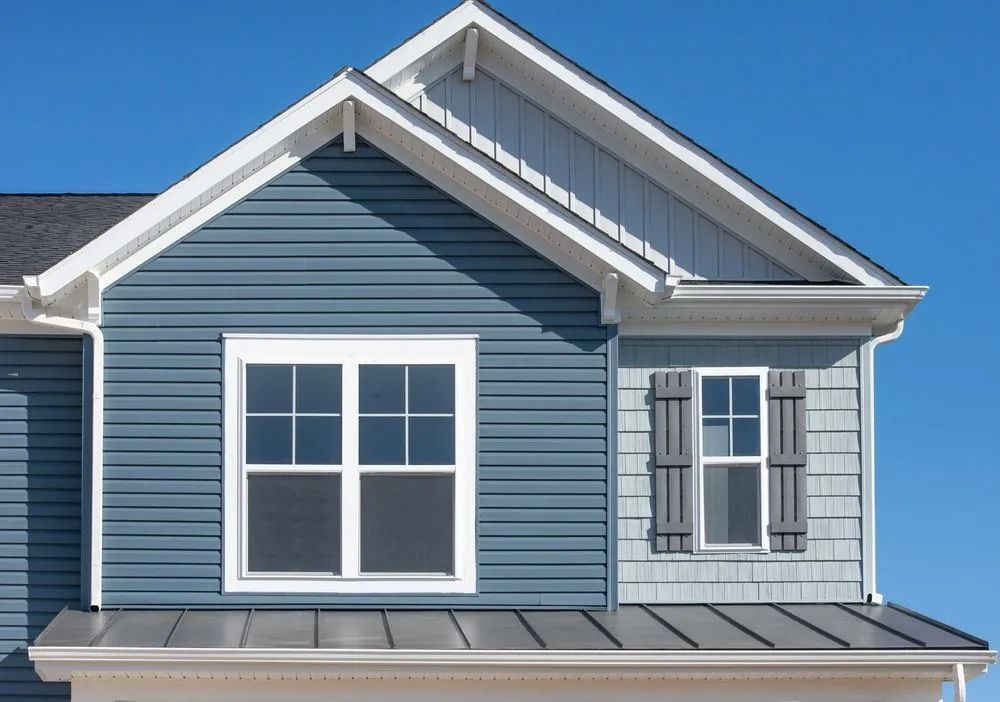
- Composite siding is a manufactured board designed to look like painted timber with a factory finish. Everlast Advanced Composite Siding, which we supply and install, won't rot, swell or peel like timber and never needs painting or sealing.
- Fibre cement cladding comes as boards or sheets, usually primed and painted on site. It resists rot and insects and suits Hamptons and modern coastal styles.
Whichever you choose, cladding is weather resistant rather than waterproof. It works with the framing, insulation, building wrap, flashings and a drainage cavity behind it, and those layers deal with any water that gets past the boards.
Looks and Street Appeal: Style Differences
Cladding shapes how a home sits in its street, so the look often matters as much as the performance.
- Timber weatherboards: natural grain and warmth that's hard to replicate. They suit heritage towns like Berry, Milton and Gerringong, and can be stained to show the grain or painted for a beach house look.
- Composite siding: Everlast is designed to look like painted weatherboards without the repainting. A factory finish keeps the colour consistent across the facade, and a range of profiles and colours suits coastal and semi-rural designs.
- Fibre cement: weatherboard profiles, grooved boards and flat panels are popular on new builds, often paired with brick or render for contrast.
Think about your street (older town centre or new estate), any council or estate design rules, and how the finish will look in ten years, not just on day one.
Maintenance and Painting: How Much Work Is Involved?
Long-term care is where composite siding vs weatherboard shows the biggest difference for Shoalhaven and Illawarra homeowners.
Timber weatherboards
- Regular repainting or staining to cope with UV, salt spray and rain, more often close to the water
- Scraping, sanding and spot repairs where paint flakes
- Ongoing checks for rot at board ends, around windows and doors, and near decks
Everlast composite siding
- Never needs painting or sealing, because the finish is built into the board
- Usually just a gentle wash to remove dust, cobwebs and salt
- Won't rot, swell or peel like timber, reducing the risk of hidden damage
Fibre cement
- Relies on primer and paint, which need renewing as they fade and chalk in coastal sun
- Joint sealants and flashings need checking over time
Be honest about whether you'll do weekend painting yourself or pay painters, because that ongoing cost adds up over the life of the home.
Moisture, Rot and Coastal Weather Performance
Coastal homes face wind-driven rain, humidity and salt air, and timber is the cladding most at risk when its paint fails. Here's how each option handles those conditions.
- Timber: absorbs moisture once the paint breaks down, leading to swelling, cupping, cracking and rot. Risk is highest at the bottoms of walls, near garden beds and on shady southern sides that stay damp.
- Composite siding: Everlast won't rot, swell or peel like timber, a clear advantage on coastal and lakeside properties around Jervis Bay and Lake Illawarra.
- Fibre cement: dimensionally stable and not prone to rot, but it depends on correct painting, joints and detailing.
Whatever the board, the wall still needs proper flashings, wrap and a drainage cavity, installed by people who understand local wind and rain.
Cost Considerations: Beyond Just the Price Per Board
The cost of cladding depends on far more than the boards themselves, so it pays to look at the whole job and the ongoing upkeep rather than the material price on day one.
Cost factors for any cladding:
- The size and height of the home, how complex the facade is and how easy the site is to access
- Removing and disposing of old cladding on a re-clad
- Wrap, battens, flashings, fixings and trims behind the boards
- Scaffolding on two-storey or sloping sites
Material-specific factors:
- Timber: boards plus primer and paint or stain, often installed and painted by separate trades, then repainted again over the life of the home.
- Composite siding: typically a higher upfront cost, but Everlast is pre-finished, so there's no painting or sealing on site or down the track.
- Fibre cement: boards and accessories, cutting with dust controls, then a full paint system on site.
We give a tailored measure and quote that covers everything, so you can compare options on whole-of-life value.
Installation, Retrofits and New Builds
All three cladding types suit both new builds and re-clads, but the work involved differs depending on the home.
- Re-cladding older timber homes: common across the Shoalhaven and South Coast. It often means repairing framing, replacing damaged boards and updating wraps and flashings, and it's a good chance to upgrade insulation too.
- Composite siding: Everlast siding suits new builds and re-clads where owners want to cut future upkeep, and pre-finished boards mean no painting stage.
- Fibre cement: widely used on new builds for straight, modern facades, sometimes mixed with brick veneer or render.
Whichever material you choose, correct installation to the National Construction Code, Australian Standards and the manufacturer's instructions decides how well and how long the cladding performs.
Energy Efficiency, Comfort and Acoustics
Lightweight cladding plays a smaller role in a home's thermal performance than the insulation and windows do. Wall insulation sits behind the boards, so comfort depends more on what's in the wall cavity than on whether the outside is timber, composite or fibre cement.
Where cladding does matter is in how well the wall manages moisture. A well-detailed cavity and membrane help walls dry out after coastal storms and reduce the risk of condensation inside the frame.
None of these lightweight claddings blocks sound like brick. If noise or comfort is your priority, windows usually make a bigger difference than the cladding. Our article on the benefits of double-glazed windows explains why, and a re-clad is a natural time to upgrade them.
Environmental and Sustainability Considerations
Each cladding type comes with environmental trade-offs, and no option wins on every measure.
- Timber: renewable when responsibly sourced and repairable in small sections, but regular repainting means ongoing use of coatings.
- Composite siding: the aim is a long service life without repainting, which reduces the coatings and labour used over time. Check product literature for detailed lifecycle information.
- Fibre cement: energy-intensive to make, but durable, with a long track record in Australian homes.
Balance durability, maintenance and resource use, and ask for product documentation if sustainability is a deciding factor for your project.
Which Exterior Cladding Suits Your Home and Location?
The best cladding for your home depends on where it sits, the style you want and how long you plan to stay.
- Exposed coastal suburbs such as Culburra Beach, Mollymook and Gerroa: composite siding avoids the paint cycle and rot risk that salt and wind bring.
- Heritage streetscapes such as Berry, Milton and Gerringong: timber weatherboards may be preferred or required, so check with council first.
- New estates and modern designs: composite and fibre cement are often combined for texture and contrast.
If you're staying long term, lifetime maintenance matters more than upfront price. Talk to your designer, builder and cladding supplier early to avoid costly changes once construction starts.
Why Talk to RJV Industries About Composite Siding and Cladding Options?
RJV Industries is a locally owned window business at 20 Berry Street, Nowra, with more than 10 years' experience across the Shoalhaven, Illawarra and South Coast. We supply and install Everlast Advanced Composite Siding alongside our uPVC and double glazed windows, so we can look at your walls and windows together.
- Everlast won't rot, swell or peel like timber and never needs painting or sealing.
- It suits re-clads of older weatherboard homes as well as new builds and extensions.
- Call 0457 431 660 to talk through your plans, or book a free, no-obligation measure and quote.
See profiles and colours on our Everlast siding Nowra page.
Frequently Asked Questions
Is composite siding suitable for bushfire-prone areas on the South Coast?
It depends on the specific product's documentation and your site's Bushfire Attack Level (BAL). Check the manufacturer's information and confirm compliance with your designer, builder or certifier before choosing cladding for a BAL-rated site.
Can I mix composite siding with other exterior cladding materials?
Yes. Many homes combine composite siding with brick, render or fibre cement panels. Keep colours, proportions and junction details consistent, and make sure flashings at the transitions are detailed properly.
Do I need to remove my old timber weatherboards to install composite cladding?
Often, yes, so the framing, wrap, insulation and cavity can be checked and brought up to current standards, but it depends on the condition of your home. We'll advise on site during the measure and quote.
How do I clean and care for Everlast Advanced Composite Siding?
A gentle wash with water and a soft brush or cloth removes dust, cobwebs and salt. Avoid harsh abrasives. Because Everlast never needs painting or sealing, care is about keeping it clean, not recoating it.
When in my project should I decide on external cladding?
Early in the design stage, so that wall build-ups, window and door details and colour schemes can be coordinated. RJV Industries is happy to help at the planning stage. Give us a call on 0457 431 660 to talk about cladding and windows for your home.