BAL-rated windows in Nowra are complete window systems designed to meet a property's Bushfire Attack Level under Australian Standard AS 3959. If you're building or renovating on bushfire-prone land in the Shoalhaven, Illawarra or South Coast, that rating decides what windows you can install. At RJV Industries, we supply BAL-rated windows from our Nowra base, and this guide explains what BAL ratings mean, how yours is determined and what to ask before you buy.
Key Takeaways
- A Bushfire Attack Level (BAL) is a site-specific rating, from BAL-LOW to BAL-FZ, set out in AS 3959.
- BAL-rated windows are whole systems: frame, glass, seals, screens and hardware. Special glass alone doesn't make a window BAL rated.
- Requirements get stricter at each level, affecting materials, glazing, screening and sometimes window size and style.
- Your certifier or council confirms what's required for your project, so get your BAL rating confirmed early.
- We supply BAL-rated windows manufactured to meet relevant Bushfire Attack Level requirements. Call RJV Industries on 0457 431 660 for a free, no-obligation measure and quote.
What Is a Bushfire Attack Level (BAL)?
A Bushfire Attack Level is a rating of how severely a building site could be exposed to bushfire attack, from embers and radiant heat through to direct flame contact. The system is set out in AS 3959, the Australian Standard for construction in bushfire-prone areas.
A site's BAL is based on the type of surrounding vegetation, its distance from the building, the slope of the land and expected fire behaviour. The levels, from lowest to highest exposure, are:
- BAL-LOW: very low risk, no specific bushfire construction requirements
- BAL-12.5: ember attack and low radiant heat
- BAL-19: increasing ember attack and radiant heat
- BAL-29: higher radiant heat and ember attack
- BAL-40: high radiant heat with possible flame exposure
- BAL-FZ (Flame Zone): direct exposure to flames from the fire front
In NSW, councils and certifiers use the BAL during planning and approval to set minimum standards for windows, doors, cladding, decks and other parts of the home.
How BAL Ratings Are Determined for Your Property
A property's BAL is set by a BAL assessment, a site-specific report prepared by a bushfire consultant or other suitably qualified professional. They look at the vegetation around your property, measure distances and slope, and apply the method in AS 3959 to assign the rating.
Across the Shoalhaven, Illawarra and South Coast, many semi-rural and bush-fringe areas, including Nowra Hill, Worrigee, Berry and the Kiama hinterland, are mapped as bushfire prone, so BAL assessments are common for new builds, extensions and major renovations. Your council's bushfire prone land map shows whether your property is affected.
The usual process looks like this:
- Check your council's bushfire prone land map.
- Engage a qualified professional for a BAL assessment if one is needed.
- Receive a BAL report confirming your rating.
- Your designer and certifier apply AS 3959 and NSW planning rules to set construction requirements.
Get your BAL confirmed early in the design stage, before you choose windows or sign quotes, to avoid expensive changes later. Always confirm specific requirements with your certifier or council.
Understanding the BAL Rating System and Window Requirements
Windows are one of the most vulnerable parts of a home during a bushfire, which is why window requirements tighten as the BAL rises. At higher levels, the rules affect materials, glazing, screening, seals and sometimes how windows can be configured.
From BAL-12.5 upwards, windows and glazed doors generally need to limit ember entry through gaps and openable sashes. As radiant heat exposure increases, the glass and frame must also hold up under higher temperatures without failing early.
BAL compliance is about the whole window system working together: frame, glazing, seals, screens and fixings. A window that suits BAL-12.5 in a Nowra suburb may not be acceptable at BAL-40 on a heavily vegetated ridge, so your glass, frame, window style and even window size choices all depend on your rating.
What Changes for Windows at Each BAL Level?
Window requirements become progressively more demanding at each Bushfire Attack Level. The summary below is general guidance only, and your certifier confirms the exact requirements for your project.
- BAL-LOW: no specific bushfire requirements for windows.
- BAL-12.5 and BAL-19: the focus is on stopping embers. Openable windows typically need ember screens in corrosion-resistant mesh, and frames need to be well sealed. Glazing requirements step up as the level rises.
- BAL-29: radiant heat becomes more significant, so glass and frame specifications become more important and tighter construction requirements apply.
- BAL-40: exposure is high enough that windows usually need to be a system specifically manufactured and tested for this level, and shutters may be part of the solution.
- BAL-FZ: highly specialised, tested systems or protective shutters are typically required. Don't assume any standard product will comply, and follow your certifier's guidance closely.
What Makes a Window BAL Rated?
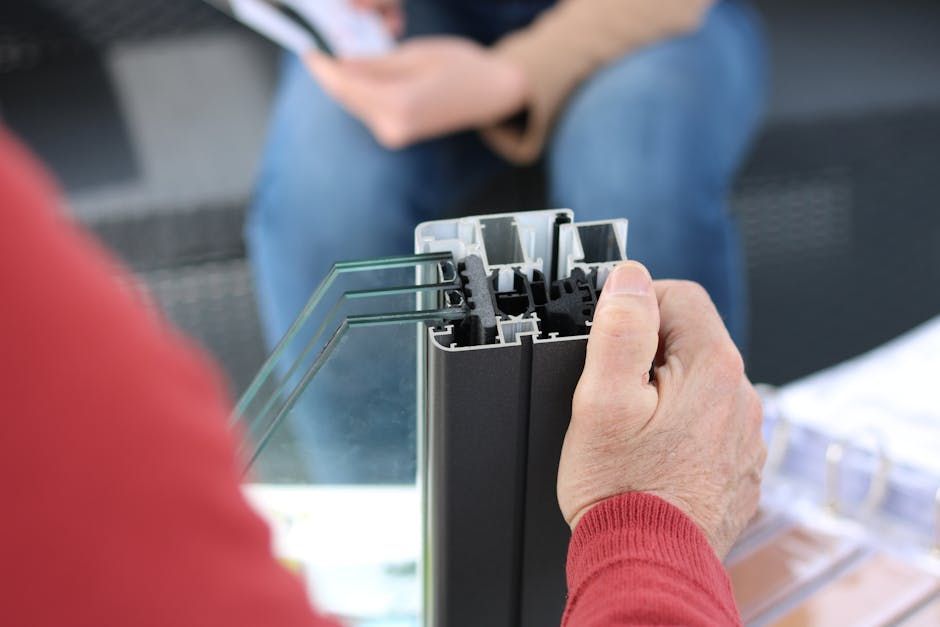
A window is BAL rated when the complete unit is manufactured to meet a nominated Bushfire Attack Level under AS 3959, with documentation to show it. It's the whole assembly, not just the glass, that earns the rating.
- Frames: must suit the required level, accept screens where needed and minimise gaps where embers could get in.
- Glazing: the glass type and thickness must match the BAL. Toughened glass is often specified because it handles heat stress better than standard annealed glass.
- Seals and screens: tight seals and ember screens on openable sashes help stop embers getting inside.
- Installation: a BAL-rated window has to be installed correctly into the wall, with gaps, flashings and fixings done properly, to perform as intended.
For general guidance on choosing quality units, our guide to selecting durable double glazed windows covers what to look for in frames, glass and hardware.
How BAL Rated Windows Fit into Everyday Comfort
BAL-rated windows don't have to mean giving up everyday comfort. A well-specified double glazed BAL window still slows heat transfer through the glass, helping keep homes warmer in winter and cooler in summer in the South Coast climate.
That matters on semi-rural blocks around Nowra and the Shoalhaven, where homes often face hot westerly summers and cool winter nights. Double glazing can also cut outside noise from roads, farm machinery or neighbouring properties.
The key is to specify the window for your BAL first, then choose the style, glass and finish that best suit your comfort goals within those rules.
Working with a Supplier: What to Ask About BAL Compliance
Start every window conversation with your confirmed BAL rating, because it shapes every recommendation that follows. Useful questions to ask any supplier include:
- Are these windows manufactured to meet my specific BAL rating under AS 3959?
- Which parts of the system (frame, glazing, screens, seals and hardware) are designed for bushfire performance?
- What documentation can you provide for my certifier?
- Which window styles (fixed, awning, casement, sliding) work best at my BAL level?
- How are screens and seals supplied, installed and maintained?
Also check that your supplier understands local conditions, such as salt air on the coast and humidity, as well as NSW planning requirements that sit alongside AS 3959. We're happy to talk you through the options for your property.
BAL Rated Windows from RJV Industries
RJV Industries is a locally owned window supplier and installer at 20 Berry Street, Nowra, with more than 10 years' experience across the Shoalhaven, Illawarra and South Coast, including semi-rural areas like Nowra Hill and Worrigee. As well as our uPVC and double glazed range, we supply BAL-rated windows manufactured to meet relevant Bushfire Attack Level requirements.
Let us know your property's BAL rating when you enquire so we can match our recommendations and quote to the right requirements from the start. Our free, no-obligation measure and quote includes checking your openings and access on site.
Call 0457 431 660 to get started, or browse our uPVC windows Nowra range.
FAQs about BAL Rated Windows
Do all homes in the Shoalhaven and South Coast need BAL-rated windows?
No. BAL requirements generally apply only to properties mapped as bushfire prone and to work that needs approval. Many semi-rural and bush-adjacent areas in the region are mapped, so check your council's bushfire prone land map or ask your certifier whether a BAL assessment is needed.
Can I upgrade my existing windows to meet a higher BAL rating?
Often, yes. Replacing existing windows with new BAL-rated units can improve bushfire performance, but the whole opening, the surrounding construction and current rules all need to be considered. Talk to your certifier and to us about what's practical for your rating.
Are all double glazed windows automatically BAL compliant?
No. Double glazing alone doesn't make a window BAL compliant. The frame, glazing, seals, screens and hardware must be manufactured together to meet your Bushfire Attack Level, so always confirm a product suits your specific rating.
Will BAL requirements limit the size or style of my windows?
They can at higher levels, where the size, type and position of openable windows may be restricted. Work early with your designer, certifier and window supplier to balance compliance with light, ventilation and views.
Who has the final say on whether my windows meet BAL requirements?
Your certifier is generally responsible for confirming compliance for the project, using the product documentation your supplier provides. RJV Industries can supply product information for your certifier and work alongside your builder and designer, so give us a call on 0457 431 660 to talk through your project.