For most homes in coastal NSW, well-specified double glazing gives all the comfort and energy performance you need, and triple glazing only earns its place on exposed, very noisy or ultra-low-energy builds. At RJV Industries, we supply and install uPVC windows with both double and triple pane glass packages from our base in Nowra, and this guide explains the double vs triple glazing decision for Shoalhaven, Illawarra and South Coast homes.
Key Takeaways
- Upgrading from single to double glazing is where the big comfort gains happen. Adding a third pane gives smaller extra gains in a mild coastal climate.
- Triple glazing can make sense for exposed escarpment or clifftop sites, homes on very busy roads, and builds chasing the lowest possible energy use.
- U-value measures heat transfer, SHGC measures solar heat coming through, and VT measures visible light. Choose glazing by orientation, shading and noise, not pane count alone.
- We offer three WERS rated glass packages: Premium (double pane), Advanced (triple pane) and Advanced Max (triple pane).
- Call RJV Industries on 0457 431 660 for a free, no-obligation measure and quote.
Double and Triple Glazing: The Basics
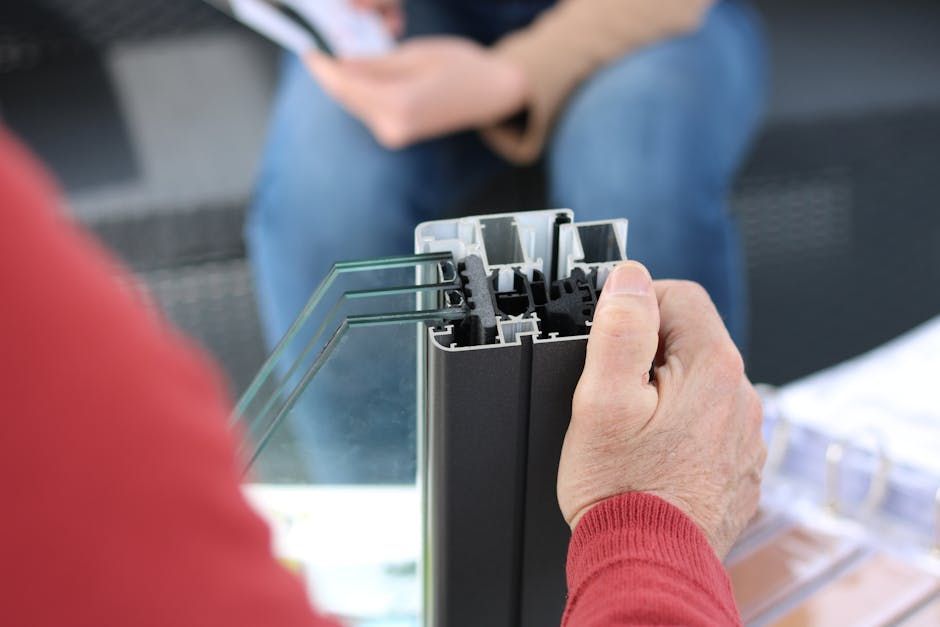
Double glazing uses two panes of glass separated by a sealed, insulating gap, while triple glazing uses three panes and two gaps. Gas fill, spacers, coatings, frame material and installation quality matter just as much as the number of panes.
Many older homes around Nowra, Kiama and Wollongong still have single glazed aluminium or timber windows. They lose heat in winter, let in unwanted heat in summer and do little to block noise.
- Double glazing: two panes with a sealed gap, often argon filled, giving a major step up from single glazing.
- Triple glazing: three panes and two gaps for extra thermal and acoustic performance. The units are heavier and thicker, and let in slightly less light.
Our three glass packages are:
- Premium: double pane, one Low-E and one clear pane, argon filled
- Advanced: triple pane, one Low-E and two clear panes, argon filled
- Advanced Max: triple pane, two Low-E panes and one clear pane, argon filled
If you're still on single glazing, our comparison of single vs double glazed windows is a useful first read.
How Window Energy Ratings Work: WERS, U-Value, SHGC and VT
Window energy ratings describe how a complete window, frame and glass together, handles heat and light, and they let you compare products on a level playing field. Our windows are WERS rated, meaning their energy performance is rated under the Window Energy Rating Scheme.
- U-value: how readily heat passes through the whole window. Lower is better insulation. Triple glazing usually lowers the U-value further than double glazing.
- SHGC (solar heat gain coefficient): the share of the sun's heat that gets through. A lower SHGC helps limit summer overheating on west and east-facing glass, while a higher SHGC can welcome winter sun on north-facing windows.
- VT (visible transmittance): how much daylight gets through. Extra panes and some Low-E coatings reduce VT slightly.
If you're building or doing a major renovation in NSW, your BASIX certificate or energy assessment will usually list target U-value and SHGC figures for your windows. Bring them along and we'll match them against our Premium, Advanced and Advanced Max packages. All three are compared on our glass options page.
Thermal Performance in a Mild Coastal NSW Climate
In the Shoalhaven, Illawarra and South Coast, double glazing with Low-E glass and argon fill usually delivers more than enough thermal performance, because winters are mild compared with alpine or tableland areas. Triple glazing is designed for cold climates where heating loads are high, so its extra benefit shrinks here.
The biggest gain comes from replacing single glazing. Moving from double to triple glazing improves insulation again, but in our climate that extra step is smaller, especially when the home already has good roof and wall insulation and sensible eave shading.
There's also a trade-off to manage. Triple glazing and extra Low-E coatings can lower SHGC and VT, which may slightly reduce the free winter warmth and daylight coming through north-facing living room windows. For most retrofits in places like Berry, Gerringong or Huskisson, the Premium double glazed package gets the balance right.
Noise Reduction, Comfort and Condensation
Both double and triple glazing reduce outside noise and condensation compared with single glazing, and the difference between the two is usually subtle in suburban settings. Glass thickness, laminated glass and good seals often matter more for noise than the number of panes.
- A well-specified double glazed unit, especially with panes of different thicknesses or laminated glass, can perform very well against traffic and neighbourhood noise.
- Triple glazing adds another barrier and may help on sites right beside the Princes Highway, a rail line or an exposed, windy clifftop.
- Both options keep the inner glass warmer than single glazing in winter, which reduces condensation, although ventilation and humidity control still matter in coastal homes.
For more on noise, read how retrofitted double glazing reduces noise pollution.
Frames, Natural Light and Design Choices
The frame and the installation are just as important as the glass, because a poorly sealed or highly conductive frame undermines any glazing. uPVC frames pair well with both double and triple glazed units in coastal conditions.
- uPVC frames don't conduct heat the way standard aluminium does, they handle salt air well and they seal tightly around the glass.
- Triple glazed units are heavier and thicker, so they need frames and hardware designed to carry them.
- Slightly deeper frames can affect sightlines a little, so careful window sizing and placement help keep rooms bright.
- Eaves, external shading and good window furnishings work alongside the glazing to manage heat without losing light.
When Is Triple Glazing Worth It vs When Double Glazing Is Enough?
Double glazing is enough for most coastal NSW homes, and triple glazing is worth it mainly where a site or design brief calls for performance beyond the norm. Triple glazing costs more upfront, so it pays to weigh it against other upgrades such as insulation and shading.
Double glazing is usually enough when:
- You're building a standard new home in Nowra or Wollongong
- You're replacing single glazed windows in an existing home
- Noise exposure is moderate and the home has reasonable insulation
Triple glazing may be justified when:
- An architect-designed, very airtight home is targeting very low heating and cooling loads
- An exposed rural, escarpment or coastal site faces strong winds
- Acoustic requirements are strict, or you want maximum quiet on one noisy elevation
- Large areas of glass or difficult orientations make the extra performance count
Bring your plans and BASIX or energy assessment to us, and we'll compare double and triple glazed options against your targets.
Working with RJV Industries: Glass Packages and Next Steps
RJV Industries is a locally owned window supplier and installer at 20 Berry Street, Nowra, with more than 10 years' experience across the Shoalhaven, Illawarra and South Coast. Our uPVC windows are designed and manufactured in the USA, WERS rated, and available with three glass packages:
- Premium (double pane): one Low-E pane, one clear pane, argon filled. The right fit for most homes.
- Advanced (triple pane): one Low-E pane, two clear panes, argon filled. Suits higher-performance builds.
- Advanced Max (triple pane): two Low-E panes, one clear pane, argon filled. Suits specific thermal or comfort goals.
Call 0457 431 660 for a free, no-obligation measure and quote. We can review your plans and energy reports and recommend whether double or triple glazing suits your project and budget.
FAQs: Double and Triple Glazing in Coastal NSW
Can I mix double glazed and triple glazed windows in the same home?
Yes. A common approach is triple glazing on the noisiest or most exposed side of the house and double glazing elsewhere. As long as the windows look consistent and your compliance targets are met, combining both works well.
Will upgrading from single glazed windows always improve my BASIX outcome?
Replacing single glazing with energy-rated double or triple glazing usually helps, but the result also depends on orientation, shading, insulation and window sizes. Check with your energy assessor before finalising your window specification.
Do triple glazed windows make rooms too dark?
Triple glazing and some Low-E coatings let through slightly less visible light than clear glass, but good window placement, sensible opening sizes and light interior finishes keep rooms bright.
How do I know which U-value and SHGC I actually need?
Check your BASIX certificate or energy assessment, which usually sets window performance targets. Bring those figures to us and we'll match them to the most suitable Premium, Advanced or Advanced Max package.
What maintenance do double and triple glazed windows need near the coast?
Clean the frames and glass regularly, keep drainage slots clear and check the seals every year. Fogging between the panes can point to a seal issue, so let your installer know. For a free, no-obligation measure and quote, give RJV Industries a call on 0457 431 660.